
For as far back as the 1970s, rap music has been evolving with the times and becoming a cornerstone of what urban life means for artists and cultures. From a historical standpoint, this form of battle poetry has been used to speak out on the cycle of violence in communities.
In the 80’s, gangster rap brought a negative light onto the genre after it brought to light the pain of living in these urban areas and, instead of turning it into a creative expression, caused many neighborhoods to turn violent and unsafe. This history is what created the “street mentality” that 21 Savage’s latest album “What Happened to the Streets?” tries to combat.
In the promotion for the new album, 21 Savage went on social media and encouraged artists to leave behind the “street mentality.” This mentality is noted to have led to generational trauma and war against oneself. 21 Savage reached out to many artists in the Atlanta region for promotional help because the city is well known for its deep rooted history in gangster rap. Some of the artists he contacted include Young Thug and Gunna, urging them to let go of their beef and finally move on. The rapper also acknowledged that the meaning behind his actions could be misinterpreted as him trying to erase the streets community, which is not what he’s aiming towards.
With the deeper historical and cultural messages embedded in his music, his new album ushers in a return of elements from his early work, reminding his fans of times before the beef and violence. 21 Savage used the anger from his early work, mixing it with the introspection of his second solo album, “I am> I was,” and elements of “Her Loss,” a collaborative album with Drake. This makes him stand out against the noise of other artists by showing an evolution paired with his core sound.
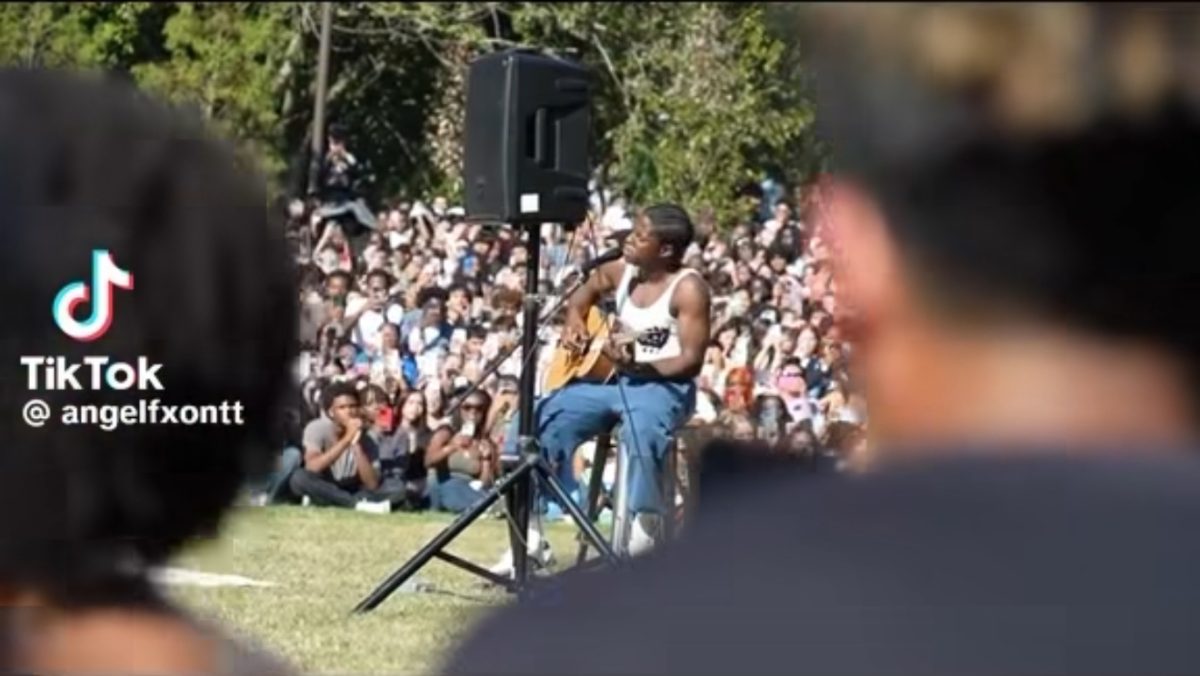
Aside from his music, this new album is part of a bigger movement; one that preaches and encourages gospel elements. Other artists such as Daniel Caesar also utilized elements of gospel in their new music, focusing on how it connects people in unity. 21 Savage’s album differs in the meaning behind it. While gospel is typically used to promote unity, his album focuses on a message of peace. In using elements of gospel, 21 Savage is able to further his message against the fractured and violently loyal tendencies of the Atlanta rap scene.
His lyrics point out the problems within the streets community, from how many rely on the distribution of drugs to hype culture. The main message of his album is that kids are being led in the wrong direction, preaching that violence isn’t the way out. 21 Savage even went as far as name dropping rappers who have done wrong, showing how the path he took was different.
Throughout his new album, “What Happened to the Streets?,” 21 Savage communicates his struggle and poor upbringing as a way to bring power to his words. He ultimately shows sympathy for those who also grew up in the same environment, but is encouraging his listeners to avoid violence as a way of life.