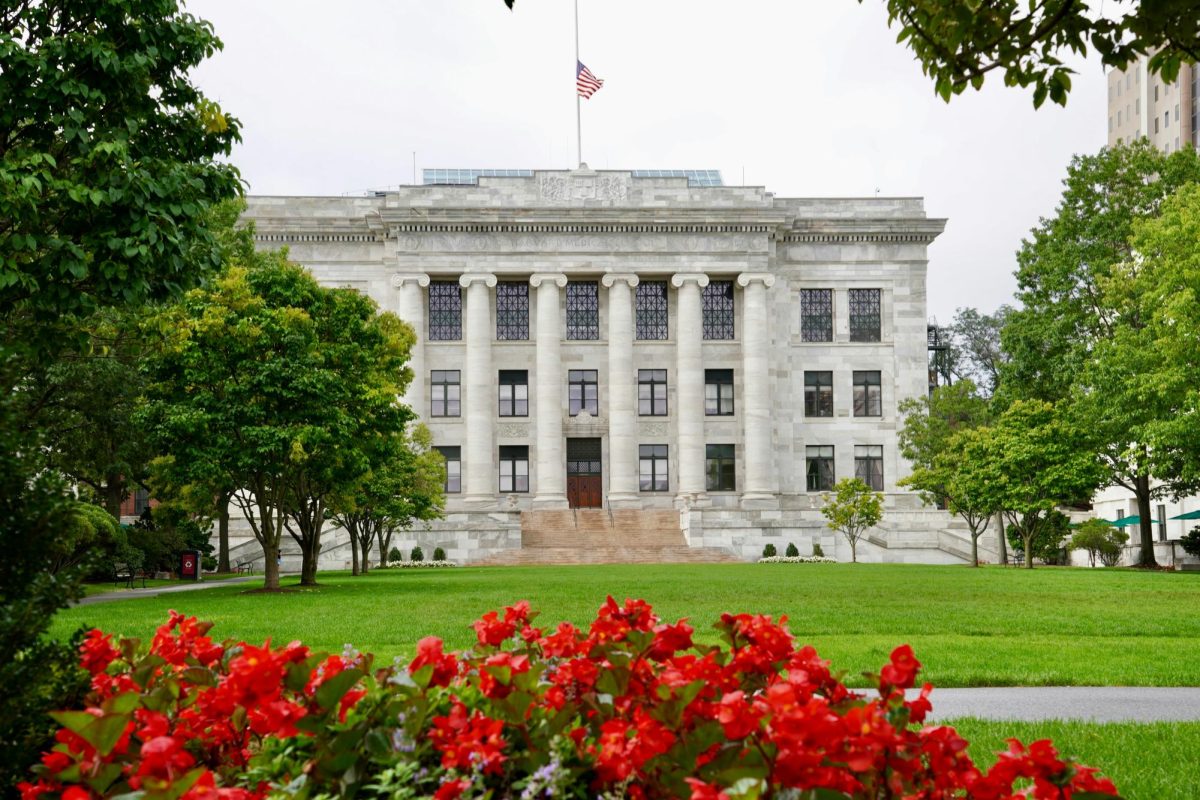
In late March, President Trump’s administration announced a new lawsuit against Harvard University, citing Title VI of the Civil Rights Act. Trump, via the Justice Department, claims Harvard “failed to protect Jewish and Israeli students against antisemitism on campus” following the ongoing debate following Oct. 7 attacks in the Middle East.
The original lawsuit was filed in Massachusetts, with the main claim being a violation of Title VI. While this may come as a surprise to many, President Trump and his administration have been having a long, drawn out feud with elite universities and employers about DEI (diversity, equity and inclusion) programs on campuses and work places.
However, the lawsuit against Harvard, in one perspective, challenges the campus life and culture that so often promotes and invites political debate. Harvard students often participate in events like the Cambridge debates. Trump’s main argument is that the debate and protests that have been happening since Oct. 7 have been largely antisemitic, specifically about issues surrounding Iran and Palestine.
A Harvard spokesperson claims, “This lawsuit represents yet another pretextual and retaliatory action,” believing the lawsuits have political motivations. Since the lawsuit, Harvard has implemented training and dialogue programs to combat antisemitism specifically to defend academic independence and resist federal control. To sum it up, Harvard accepts debates from both ends of the political spectrum leading to their stance that Trump is targeting higher education as a whole by accusing it of bias and political opposition to his policies.
The attacks on Harvard don’t just stop at the university’s fundamentals and culture but also its finances.This has led to many hiccups specifically with research institutes like the ones present at Harvard. Due to the budget cuts and legal battles with the government, research has staggered.
Since returning to office, President Trump has cut or frozen over $2.6 billion in Harvard research funding. This research is key in drug repurposing, vaccines, extra solar planets and AI. Cuts to funding in these departments could be harmful to public health and safety as it effectively eradicates a source of reliable and current information on diseases and treatments.
The Trump administration sees the situation in a different light than Harvard. They claim, “intentional conduct and its deliberate indifference to discriminatory harassment of Jewish and Israeli students and creation of a hostile educational environment.” This has led to the lawsuit, as well as freezing federal funding and requiring Harvard security to call police on protesters blocking campus areas.
Despite the two sides of this conflict, the Justice Department filings claims that “The U.S. cannot and will not tolerate these failures,” in correlation to the specific students’ safety and acceptance.
However, the broader context of the lawsuit tests the limits of federal authority over private universities and other private organizations. If something is a private entity, it lends the question: should the U.S. government have any authority over its practices? This raises concerns not only over the stability of higher education in all its facets such as funding, culture and censorship, but also raises concerns over what is protected under free speech.