Civics Week at Cardozo may not be receiving the recognition it deserves, as core subjects like English and math continue to overshadow its importance.
These subjects always have a profound influence on students, but a course that is selectively based on the idea of government, voicing opinions, and understanding your qualifications and significance as a citizen doesn’t always receive the spotlight that it deserves.
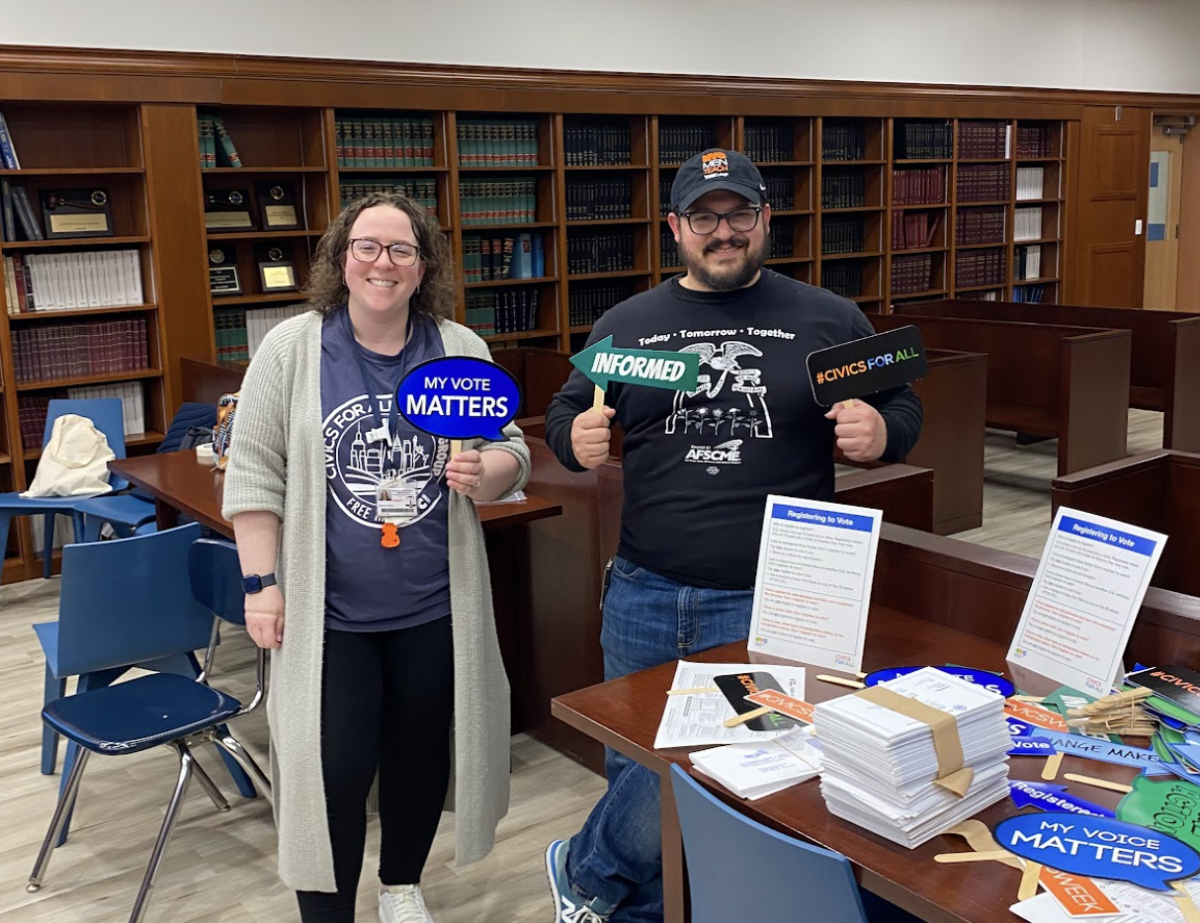
“English, math, and other subjects have overshadowed the study of civics,” said Mr. Malekpour, one of Cardozo’s Civics for All coordinators, emphasizing that civic education should play a larger role in students’ lives. “The idea is students should be more involved early on.”
Civics Week is a time in spring when schools across New York City celebrate the empowerment of the youth and the importance of knowing and understanding voting. Civics Week was created as a part of the broader “Civics for All” initiative in 2019, which helps celebrate and teach students to voice their opinions, learn more about the political climate, and be active. Students often undermine the importance of their voice and opinion largely due to age, but civics week helps students learn more about the significance and impact their voice has.
Civics week also goes over the aspect of voting and how impactful it can be, especially when it comes to candidates and ideologies they resonate with.
Mrs. Adezio, the second Civics for All coordinator at Cardozo, mentioned the idea of social media and how diverse and poignant it is because it has a greater audience with different stories attached, and can have more individuals to resonate with similar beliefs and ideas.
“Social media engagement with civics is very important,” she explained. “A video can bring a massive impact on overall engagement.”
But, both parties shared that Civics Week is more about gaining interest and traction with the outside world beyond the walls of the school. “Civics is not just a social studies thing, it’s more of an every classroom thing,” Mr. Malekpour said. He believes that civics is important because it allows students to understand the political climate there and the effects it will have on them.
Civics can help engage students to learn more about society itself and how their advocacy and empowerment can have an everlasting impact on society, and that some students should take the initiative to take it beyond what they learn in school to really delve into the aspects of civics and what it really consists of.
For example, the Civics Week initiative includes a competition by the name of SoapboxNYC, in which students can participate in public speaking debates regarding issues in their communities, schools, and society. This allows students to advocate for issues that don’t seem to fit with them and gives them an astounding opportunity to learn about the importance of these issues and how their advocacy can impact society, school, or community beneficially.
“Community boards are a way to get involved early,” Mr. Malekpour added. “You don’t want civics to die in a classroom.”
The social studies teacher also emphasized the importance of gaining both sides of a story, stating, “Bias can be avoided by reading from multiple sources.” Multiple sources can be swayed to one side over the other, which is why it is essential that students really understand both perspectives. Students in current times are more manipulated and naive when it comes to the climate of politics, and this further resonates with the idea that understanding perspectives, being skeptical, and realizing the importance of someone’s voice can have a significant impact.
Furthermore, Mr. Malekpour sees civics as something much more impactful than just learning the subject in school. “It’s about how the future can be changed,” he said. “It can also be a chance to solidify a piece of you in history.”