
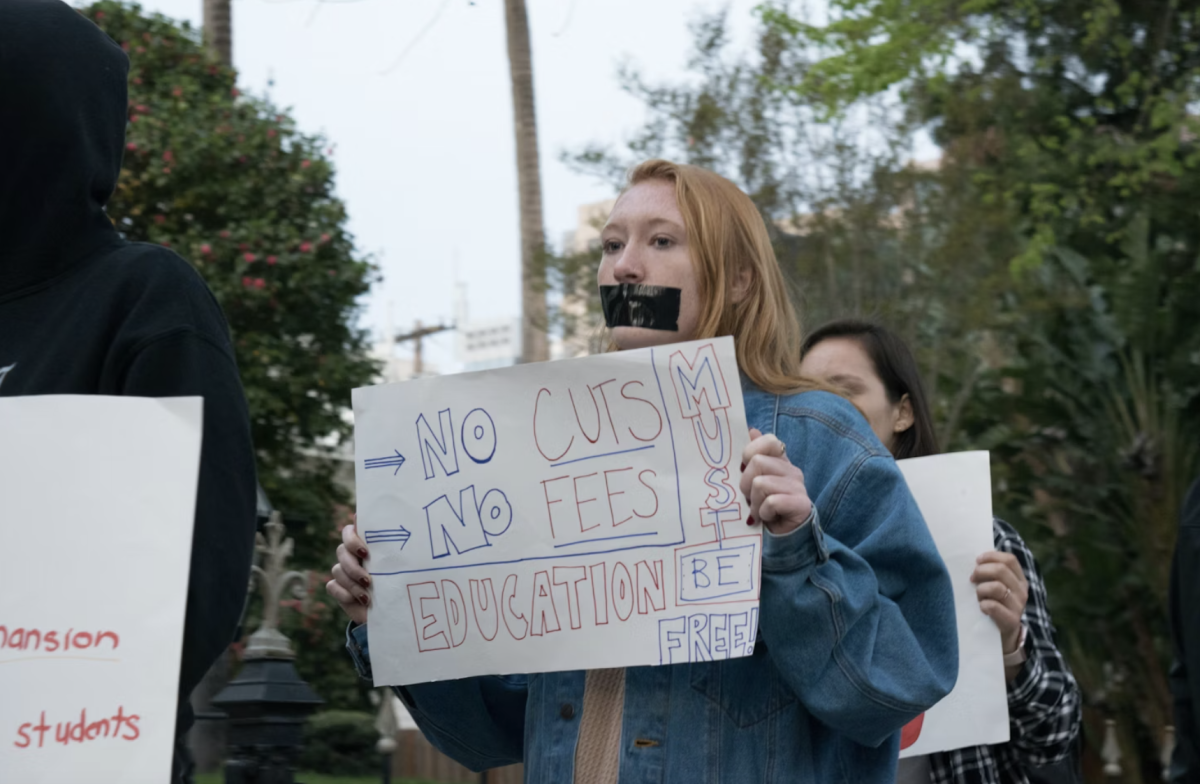
In the world today, activism is a vital stepping stone to promote change. In recent years, youth activism has been on the rise, as young people become more involved in causes for change. Executed by teenagers and young adults, youth activism has become a driving force in systemic reform and progress.
While some in society believe that teens are “too young” to understand the dynamics of major issues in government and politics, that is not always the case. Today, teens have access to the internet and the ability to conduct in depth and important research to better understand issues that matter to them. Some of these involve political policy or even social issues.
Thanks to social media, teens are able to share knowledge, wisdom, and come together. Social media is also a driving force to plan and execute protests and other types of gatherings for teens to come together and come up with solutions and plans. Many of these issues include climate change, gun violence and reform, education rights, and LGBTQ+ issues. Youth activists often see these issues as things that will impact them for the foreseeable future, and impact the world they will grow up in, which is why they feel so strongly to change them.
Here in New York City, many youth activism has begun to mix into schools and education. Teens have begun to share information about policies that do not fit their beliefs as a fair and just society, and organize things such as “walk outs” to better voice their concerns. These walk outs are organized on social media and spread across schools quickly.
For example, in 2023, Hillcrest High School students organized a protest to “Free Palestine” in the wake of the war in Gaza. Just this year, only several weeks ago, various schools across New York City staged a walkout to protest Immigration and Customs Enforcement, or ICE. These walk outs often have students simply leaving school, taking to the sidewalks and streets, often with signs or shouting things to better promote their ideas.
New York City students have even protested decisions made by the New York City Department of Education, including various school policy changes. These citywide demonstrations have been able to help get their voices heard in a peaceful but powerful way.
Despite adults thinking that teens are too young to understand the world, or are too engaged with matters that are “out of their reach,” today’s youth are not the first generation to protest and promote activism. In the late 1960s and early 1970s, youth activism was a major part of society in their discontent with the Vietnam War. Teens and young adults took to the streets to protest the war and also the draft, becoming a huge mark on American history.
In addition, youth activists argue that adults will not have to live much longer with the repercussions of the decisions made about policy and social issues. The teens today are going to be the adults of tomorrow; they are the ones who have to live through the choices made today for much longer.
Youth Activism is important because not only it raises awareness, but it also builds communication, community, and leadership skills amongst students. When students organize these protests, they learn how to work together, communicate, and engage in important issues, they further stand up for what’s right to help our world.