
A new policy under the Trump Administration has reclassified several college degrees under the One Big Beautiful Bill.
The purpose of this action is for loan forgiveness purposes, to decide how much each student and professional will get back, regarding their status as professional or non-professional. This change impacts how many degrees are funded, perceived, and regulated.
The degrees that are to be classified as “non-professional” are many in healthcare, including nursing, physicians assistants, physical therapy, occupational therapy, and public health. In business and finance, accounting and degrees for a masters in business (MBA) are also no longer professional. Any masters or doctorate educational degrees, masters of engineering, social sciences, and architecture have also been changed.
Traditionally, a professional degree is an academic credential that prepares individuals for specific professions requiring specialized knowledge and skills. If these degrees are not classified as a professional degree, students may lose access to certain scholarships, grants, or loan programs reserved for “professional studies.”
These recent changes are impacting the way that high school students are also deciding what programs to major in moving forward and in college.
Mr. Bonacorsi, one of Cardozo’s college counselors, strongly stated “It’s ironic that the degrees that are labeled as no longer professional are female dominated fields.”
“I think it sent a really bad message, I don’t think this administration is doing a very good job at representing the U.S. as an educational power house,” he added. “I think they are taking away the Department of Education. It’s embarrassing on a national and international scale. People no longer want to study here.’’
One Cardozo Assistant Principal added, “Looking from the perspective of why they want to reclassify certain careers as ‘professional’ and ‘non-professional’ to avoid someone getting into a lot of debt for a graduate degree…that may not translate into a promotion or a high paying job.”
“It blocks the opportunity for people, higher education is expensive and scholarship is competitive,” they added. “It also creates a division, it does not make sense for a teacher not to be considered a non-professional because they are the one preparing the doctors…’’
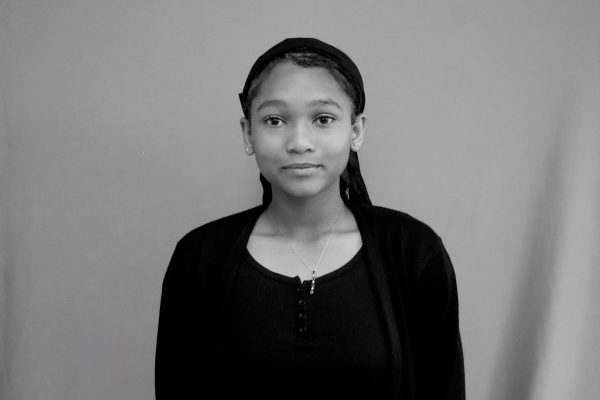
Cardozo students are also already feeling the stress of these recent changes. ”It’s upsetting because I know a lot of people especially in my family who’ve worked hard for their degrees as immigrants just for it to be deemed as nothing,” said student Tracy Michel. “I don’t know what he plans to take away next but I’m hoping it doesn’t ruin anyone’s livelihood.’’
In the long run, the status of these programs might affect accreditation standards and licensure requirements. This change could impact how society views the these professions, potentially undermining its status and importance within healthcare and other industries. It may influence recruitment, retention, and morale among those in the workforce.
As of the latest update in June, there has been no official confirmation from authoritative sources, such as the U.S. Department of Education, American Nurses Association, or major legislative records, that, for example, nursing degrees have been formally reclassified at the federal level as non-professional degrees.
While it has been widely discussed and shared on social media, these above mentioned degrees have not officially become listed as non-professional. When it comes to legislation and changes, some outlets report on “proposed” bills or political discussions that have not yet become law. Sources have indicated that the current plan for the Trump administration is to have these changes go into effect July 2026.