Supplemental Nutrition Assistance Program (SNAP) benefits were completely paused this year due to a U.S. government shutdown, the longest in the nation’s history. The benefits, which provide food stamps to those in low-income thresholds, could not provide food assistance to those in need.
When the government reached a deal after 43 days of shutdown, many SNAP benefits were beginning to resume, but not every county in the country had issued their benefits again to residents. In addition, a new bill facing the Congress floor will cut SNAP benefits in a reportedly historic way.
SNAP benefits are funded federally, by the U.S. Department of Agriculture (USDA). When the federal government is shut down, all money going into federal programs are paused until business resumes and a deal could be reached in Congress. During this time, many go without food and aid.
Millions of Americans were affected by the SNAP shutdown, with recent reports indicating that over 40 million people who rely on food stamps are facing uncertainty about their ability to purchase groceries. The disruption in benefits impacts families, children, seniors, and individuals with disabilities across all 50 states, putting many at risk of food insecurity.
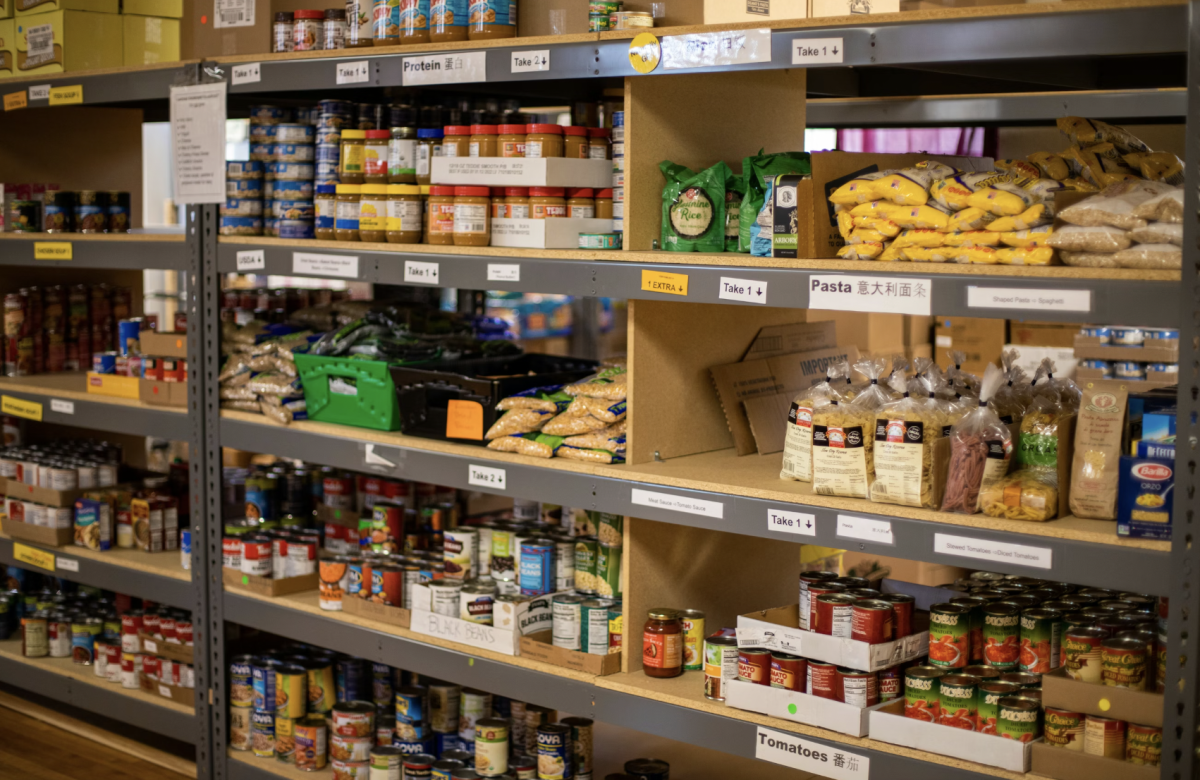
During this time, community organizations and food banks brace for increased demand as many struggle to make ends meet during the government funding lapse. The widespread effect has underscored the critical role SNAP plays in supporting vulnerable populations nationwide.
In Queens, many organizations began to work with the local community to provide extra food during this time of insecurity. Cardozo Assistant Principal Mrs. Korotki pointed out, “There are programs that can help them with food, it’s called digital food pantry, it’s through Commonpoint. You can go online, place an order and go pick it up. We worked with them in the past. It’s a great organization.’’
However, not every community has these assistance programs in place. This particular event showcased that many individuals who rely on federal aid to survive face uncertainty when the government cannot guarantee funds and aid.
Several states like California and New York filed lawsuits against the federal government in response to the suspension of SNAP benefits. The filed lawsuits were an attempt to compel the federal government to restore funding and ensure continued support for families relying on food stamps. State officials have argued that the abrupt halt in food assistance is threatening the well-being of millions of vulnerable residents and places an additional strain on local resources.
Despite the program resuming, new bills in Congress are threatening the success of the program and resources. Now, under a new law, parents of families who receive SNAP benefits will have to meet harsher requirements in order to qualify. States have issued a three month window for individuals to “comply” with the new requirements or risk losing their benefits entirely.
40% of individuals who rely on SNAP benefits are children and a cut to these benefits put them at risk for hunger and food insecurity. Long-term effects on children’s health and nutrition are also predicted to set in, such as stunted physical growth.
Although there are programs designed to help families facing food insecurity, these are not sustainable solutions.