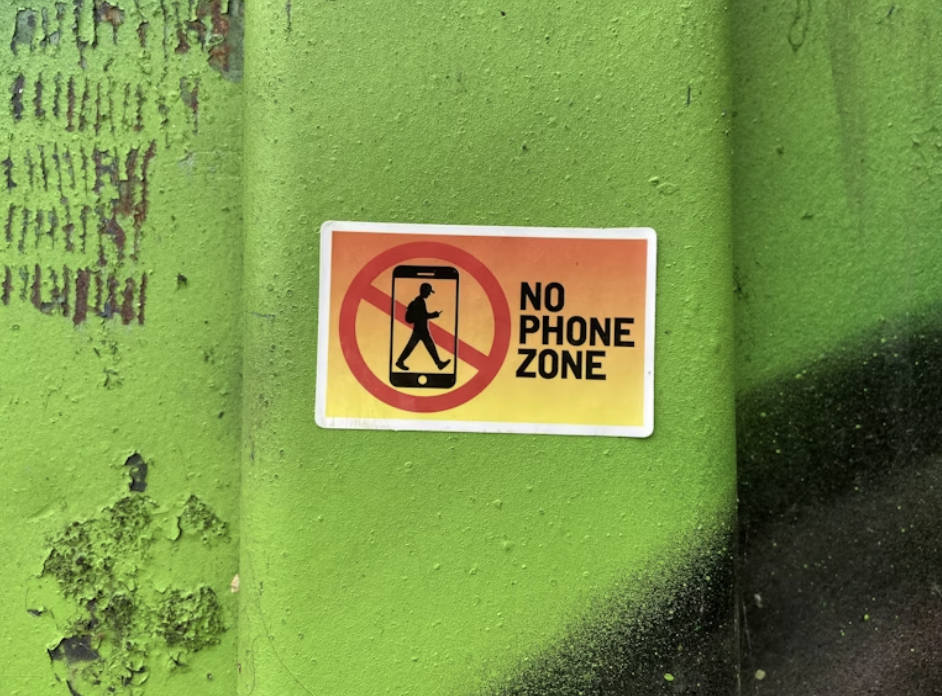
After the first marking period of the 2025-2026 school year has come to an end, staff and students have looked at how the cell phone policy has impacted the environment at Cardozo.
The cell phone policy, that restricts the usage of cell phones or any other non-school issued device, aimed to improve student’s well-being and focus when in school. The main goal of this policy was to benefit the students.
Although the initial introduction of this policy in New York schools received constant backlash and negative opinions from students, as the marking period concluded, there have been significant results among them.
Students have been more engaged in classes with the phone ban after a marking period of working without technology. “Without phones, I felt less distracted because I knew I couldn’t check my phone when I wanted to,” said Cardozo junior, Claire Sohui Park. “This kept me more engaged and more focused while in class.”
Park also added, “I finished my work during class efficiently and felt more engaged in class. I also participated and talked with my classmates more.”
Despite students outraged about how strict teachers have been about the phone ban, many students feel as though they can focus more while in class. Teachers have also noticed that students were participating more in discussions, which often leads to higher scores and test grades.
Teachers reported fewer disruptions and have noticed that students are more cooperative and respectful now that phones are out of sight. They have seen improvements and results in students, as Ms. Bifano, an English teacher, noticed.
“Students were definitely more present and focused in class after the phone ban,” said Ms. Bifano. “There were more conversations about the academic work and students appeared more engaged.”
Despite the positive results of a distraction-free environment, the phone ban also has affected students in some negative ways. “During this marking period, I feel that nothing has really changed, as I had only used my phone during lunch or when it was necessary in class,” said junior Aditi Barua. “However, I did notice that it became more challenging to complete my work on time.
“Without being able to use my phone as easily for quick research or checking assignments, I found things more complicated to handle than usual,” Barua added. “I did well this marking period, but I feel like I didn’t do as good as other marking periods without the phone ban.”
The phone ban has had different impacts on students. Teachers think it’s beneficial, and some students think so, too. However, there are some students who struggle with work that requires research when technology is not made readily available in classrooms.
Without phones, however, students do not have constant access to social media or texting, which allows for them to be more focused and retain more information during class time. The lack of distraction keeps students more engaged in the learning environment.
As the remainder of the semester progresses, administration will see how a distraction-free environment truly impacts students when they assess the data of students across courses and grade levels.