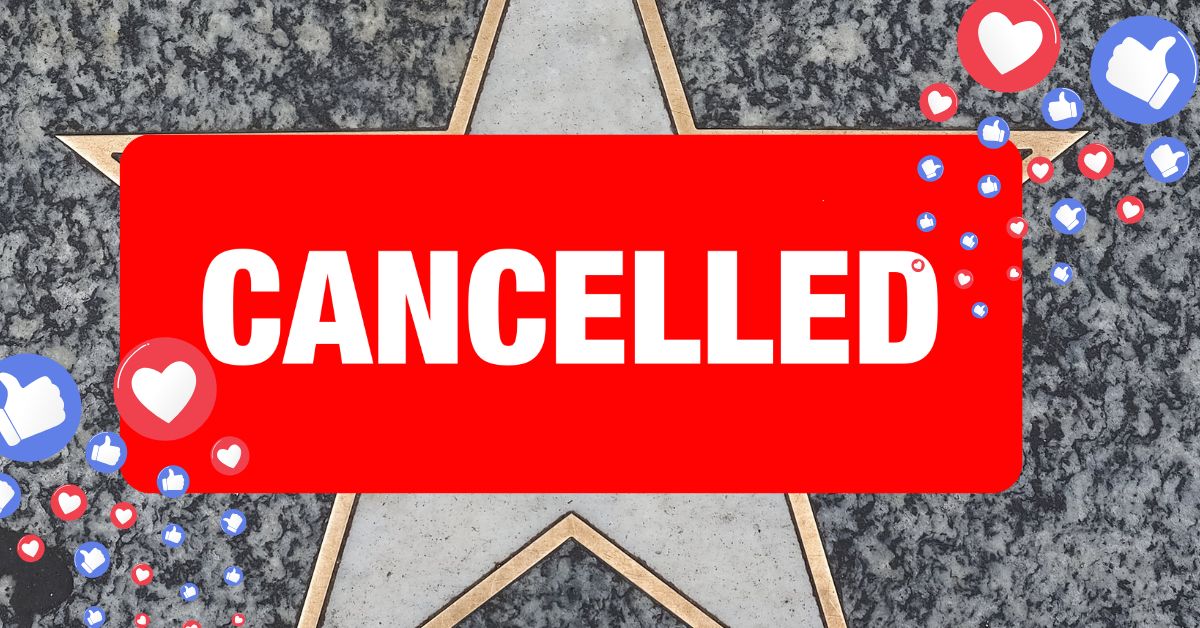
In 2026, cancel culture feels like the internet’s version of the Hunger Games. One rumor, one messy screenshot, or one out of context clip, and suddenly a celebrity’s whole career is on the line. And honestly, Gen-Z is the main character in all of this; for better and for worse.
Let’s be real, Gen-Z cares about accountability way more than older generations ever did. We grew up online. We’ve seen celebrities get away with wild behavior for years, so now that we have TikTok, Instagram, and X, we’re not scared to call things out. If a celebrity says something offensive or acts shady, it spreads instantly. Users online get in the comments of their accounts faster than they can even log on.
However, there lies an issue with this specific culture—sometimes, things move faster than the truth. The vibe that people are promoting becomes the “fact,” whether or not it’s 100% true.
One example is the recent Timothée Chalamet incident involving the Paris Opera. Out of nowhere, TikTok started pushing videos claiming he was involved in backstage drama and mistreatment. No real evidence was found, just a bunch of dramatic edits and “story time” videos. Half of Gen-Z was confused, the other half were canceling him, and suddenly the whole situation turned into a trending scandal built mostly on speculation.
Of course, this wasn’t the first time this has happened to a celebrity. Gen-Z has, for years, watched celebrities get dragged online at lightning speed. Doja Cat got canceled, un-canceled, and re-canceled all within a year over narratives that kept shifting. Lizzo faced intense backlash the minute her lawsuit hit the internet, even before anything was confirmed in court. Sabrina Carpenter got attacked during the Olivia Rodrigo/Joshua Bassett drama, even though she barely said a word publicly.
The pattern is the same: a rumor drops, people start picking sides, and it becomes an entire internet event before the full story comes out; and the cycle repeats.
These moments show how social media turns canceled culture into entertainment. People jump in, not always because they care about the issue, but because the drama is fun to follow and gets views. The stitches, reaction videos, and think pieces come faster than actual facts. It creates this environment where being “canceled” doesn’t always mean someone did something horrible, sometimes it just means the internet got bored and wanted a new villain.
Still, cancel culture isn’t all negative. It has exposed real issues like racism, abuse, and manipulation that used to stay hidden. Some people within Gen-Z genuinely believe in fairness and calling out harmful behavior. But, the problem is the lack of nuance. The internet acts like celebrities must be perfect 24/7 or they’re done. There’s no room for growth, apologies, or learning.
In the end, cancel culture reflects Gen-Z more than the celebrities it targets. We want transparency, accountability, and honesty. But, if we want real change, we have to slow down, check the facts, and stop treating rumors like evidence. Because when we cancel people based on confusion like what happened with Chalamet we’re not actually fixing anything. We’re just creating chaos for 24-hours and moving on to the next trend.
