On Feb. 24, only 63% of all New York City Public School students arrived at school. 15% of educators called out, forcing 5,000 substitutes to be awoken from their slumbers and take over.
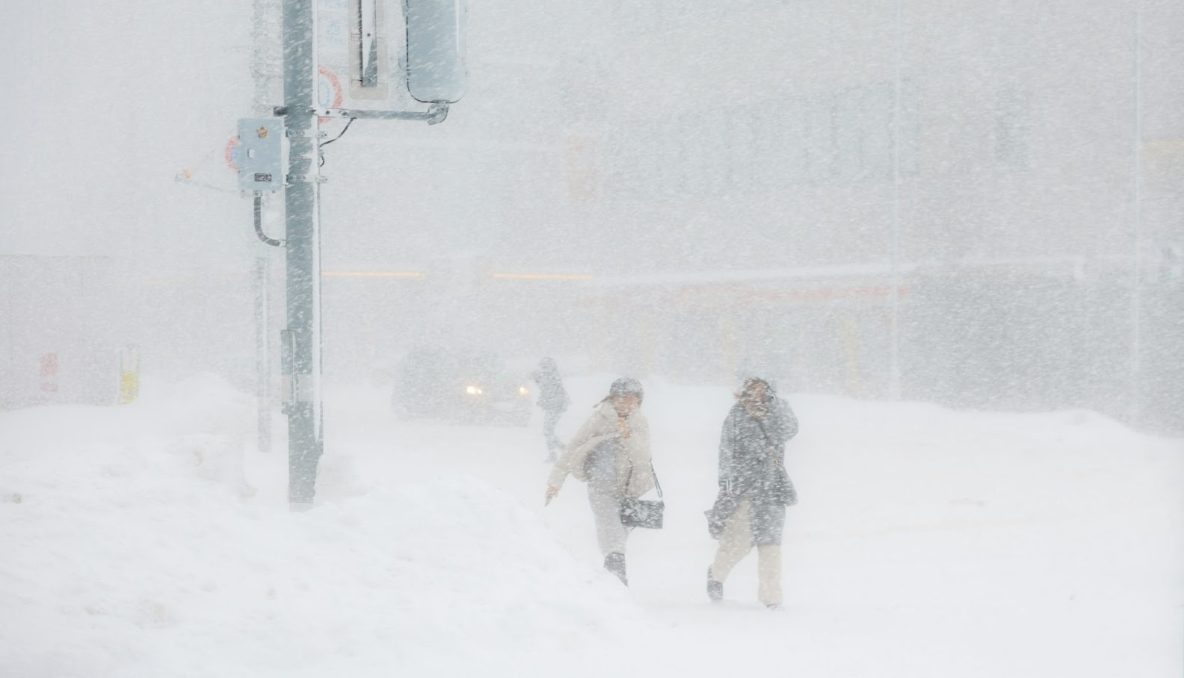
I irksomely belonged to that 63% due to a moral obligation of attendance. After dropping through bacteria-infested gray slosh, climbing snow mimicking the height of Mount Everest, and battling the looming hypothermia, I ran to discover that many of my teachers never arrived at school, and there would be no one to replace them. With one thought, I joined the hive mind as I questioned what was on everyone’s minds that day: What was the point of even coming here?
Mayor Zohran Mamdani announced that Monday, Feb. 23, was to rightfully be a snow day (didn’t they end, though?) but decided against making the following day remote or another day off, knowing full well that transportation would be immensely difficult for all going to school.
Even with the 8,000 Department of Education staff who tirelessly shoveled away the snow, there wasn’t enough time to sufficiently clean up the paths. The blizzard deposited over two feet of snow, with Staten Island being hit the hardest. Dozens of trains and buses were cancelled or delayed as traffic was jammed for miles. Especially with Cardozo being a huge commuter school, it wouldn’t be a shocker for a classroom to be a ghost town.
There weren’t enough substitutes to watch over every class with a missing advisor (they have transportation issues too), leading to classrooms being consolidated by picking up classroom-less students from the hallways and dumping them into random rooms with quizzical teachers. Eyebrows have never been more furrowed in confusion compared to any other school day.
Productivity was in vain. Time down the drain.
What happened to remote learning? Wasn’t that just used in January? Mamdani had a couple of reasons for his decision for us not to reopen our devices.
“First, New York public schools were not in a position to facilitate remote instruction. With students coming back midwinter break, it was not possible to ensure that enough students had the devices they needed to effectively participate in remote learning,” Mamdani stated in a press release on the very same Tuesday.
His intolerability of unfairness in student technology access is understandable but inconsistent with his recent action for Monday, Jan. 26. He granted most K-8 students a remote snow day while high schoolers and some 6-8 students already had the day off for a professional development day.
But, how was he supposed to “ensure that enough students had the devices they needed to effectively participate in remote learning” if there was no prior warning for students to bring home any available devices? It was following a weekend, and the change in schedule was not announced until the day before, making it impossible for students to visit their school and demand devices in time.
If he claims that his administration has ensured “devices are in hand, families are informed and educators are ready to welcome students online,” then why did he hesitate for Tuesday? What had triggered his lack of confidence in his plan?
It is preposterous for it to be the fear that the systems would crash once high schoolers needed to connect online as well. After IBM was roasted on a spit by deflecting city officials for the technical issues students and teachers experienced in February 2024, the government had made it clear that the system would be better prepared for more transactions per second.
It’s obvious that another snow day is out the window as the mayor exhausted all his waiver requests for the state’s 180-day instructional requirement. Another snow day would mean to add another school day to the calendar or lose funding per day erased. It doesn’t help that each year, new holidays are established for more days off. Remote learning is the best solution to this situation, as the days do count towards the 180 standard.
His second reason is that “our public schools hold a purpose beyond providing a designated place for kids to learn. They are critical to the health and wellness of nearly 900,000 children across our city. Whether it’s a warm meal, essential mental health support, or source of childcare for working parents, in-person schooling is a resource that our city’s children and families depend on,” is admirable but faulty.
Schools are a place that thousands of children and adults rely on as a resource, especially for daycare. However, if students cannot even get to school, the good intention becomes futile. Many students who desperately needed those resources may not have been able to make it on time to utilize them. Parents may have held them back in fear for their safety. With remote learning, they could have at least saved whatever lessons they were going to miss, but they lost it all in the end.
Regardless, the snow had easily deterred many high school students from traveling to school. An expected future he failed to foresee.
If remote learning–the tool solely meant for learning when unable to meet in-person–will not be harnessed during a first-in-10-years-blizzard, then the tool provides no purpose at all. The DOE had made it permanent in 2021 for nothing.
The next time a similar snowy situation occurs, Mamdani may learn from his mistakes at last. His perseverance would recover, and he’ll plan his precise preparations to be more perplexingly primed than ever presented! Or he’ll finally listen to the almost 175,000 signatures begging for schools to be closed.
Meanwhile, I’ll be flexing my restraint on not taking up his month-old request of getting hit with a snowball. Perhaps the next snowstorm.