
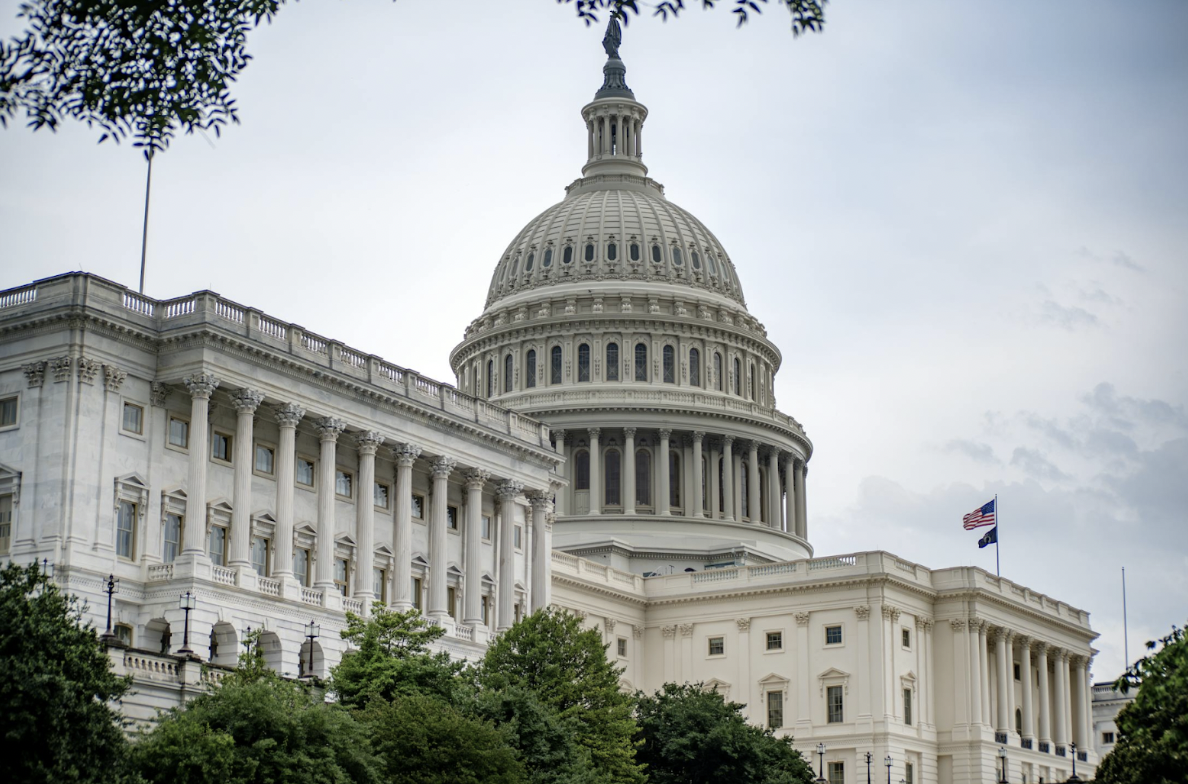
In a significant move to reassert congressional authority over the use of military force, the U.S. Senate recently passed a resolution aimed at restricting the President’s ability to initiate military action in Venezuela, without explicit approval from Congress.
The bipartisan vote underscores growing concerns within the legislative branch regarding potential unilateral executive action in the region.
The resolution, championed by Senator Tim Kaine, among others, seeks to invoke the War Powers Act, a federal law intended to check the President’s power to commit the United States to an armed conflict without the consent of Congress.
Lawmakers have expressed apprehension that the administration might consider military intervention in Venezuela, prompting the Senate to act proactively to ensure that any such decision would first require a formal declaration or authorization from Congress.
Proponents of the measure emphasized the constitutional prerogative of Congress to declare war, arguing that the legislative branch must play its designated role in decisions that could lead to armed conflict and potentially entangle the nation in prolonged engagements.
Senator Kaine highlighted the importance of preventing “forever wars” and ensuring that any deployment of U.S. forces abroad is done with the full deliberation and consent of the American people’s representatives.
While the resolution does not directly prohibit the President from taking defensive actions or responding to immediate threats, it sends a clear message that any broader military intervention in Venezuela would require a specific Authorization for Use of Military Force (AUMF) from Congress.
The vote reflects a broader trend of Congress seeking to reclaim its constitutional powers regarding war and peace, particularly after years of executive branch actions under existing AUMFs.
The passage of this resolution marks a notable moment in the ongoing debate over the balance of power between the executive and legislative branches on matters of national security and foreign policy. It signals a strong desire within the Senate to ensure that any decision to commit U.S. military forces to a conflict in Venezuela is made through a comprehensive and constitutionally mandated process.